Have all your questions answered ➜ 📞 (631) 500-5085 or 📩 info@prohomeroofer.com
Roofing Long Island NY: A Complete Guide for Homeowners

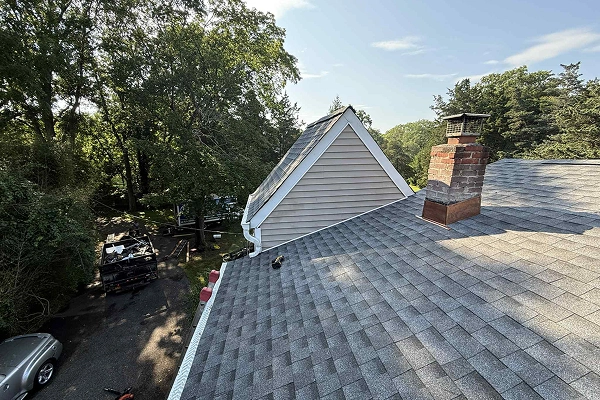
Your roof is more than just shingles and nails, it’s the shield that protects your home, family, and memories from the unpredictable Long Island weather.
Whether it’s coastal storms, harsh winters, or the blazing summer sun, your roof stands tall against it all. But how often do we actually think about it until a leak shows up or shingles start flying off?
If you’re a homeowner searching for guidance on roofing Long Island NY, you’ve come to the right place. This article breaks down everything you need to know roof types, repair vs. replacement, costs, choosing a contractor, and smart maintenance tips without the confusing industry jargon.
Table of Contents
| Sr# | Headings |
|---|---|
| 1 | Why Roofing Matters in Long Island NY |
| 2 | Common Roofing Problems Homeowners Face |
| 3 | Signs Your Roof Needs Attention |
| 4 | Roof Repair vs. Roof Replacement |
| 5 | Popular Roofing Materials in Long Island |
| 6 | The Cost of Roofing in Long Island NY |
| 7 | How to Choose the Right Roofing Contractor |
| 8 | Understanding Roofing Warranties |
| 9 | Seasonal Roofing Challenges on Long Island |
| 10 | Energy-Efficient Roofing Options |
| 11 | DIY vs. Professional Roofing: What’s Better? |
| 12 | Preparing for a Roofing Project |
| 13 | Roof Maintenance Tips for Longevity |
| 14 | Questions to Ask Before Hiring a Roofer |
| 15 | Conclusion + Final Thoughts |
1. Why Roofing Matters in Long Island NY
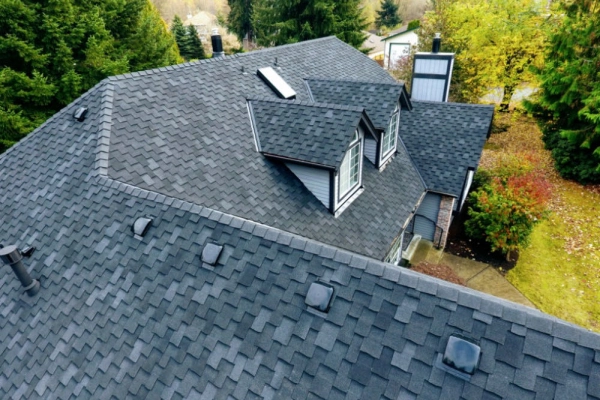
Long Island is no stranger to extreme weather. From nor’easters to heavy rain and salty coastal air, roofs here take a serious beating. Your roof isn’t just part of your home’s structure it’s your first line of defense. A well-maintained roof adds value, boosts curb appeal, and saves you from expensive repairs down the road. Think of your roof as a helmet: without it, you’re left exposed.
2. Common Roofing Problems Homeowners Face
Homeowners across Long Island often deal with:
- Leaky roofs – Often caused by damaged flashing or missing shingles.
- Storm damage – High winds and hail can wreak havoc.
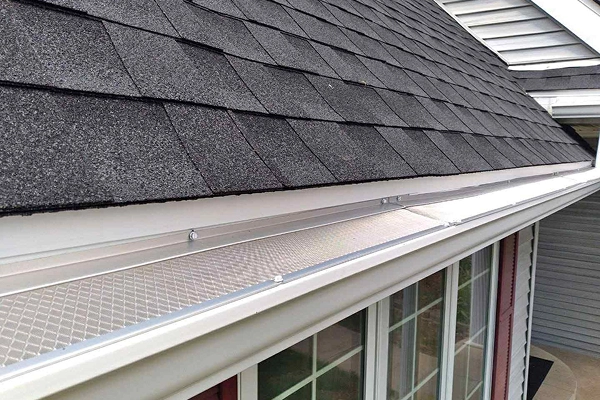
- Clogged gutters – A small issue that can lead to big water problems.
- Mold and moss – Thanks to humid summers, moss loves to grow on shaded roofs.
Ignoring these problems is like ignoring a toothache—it only gets worse.
3. Signs Your Roof Needs Attention
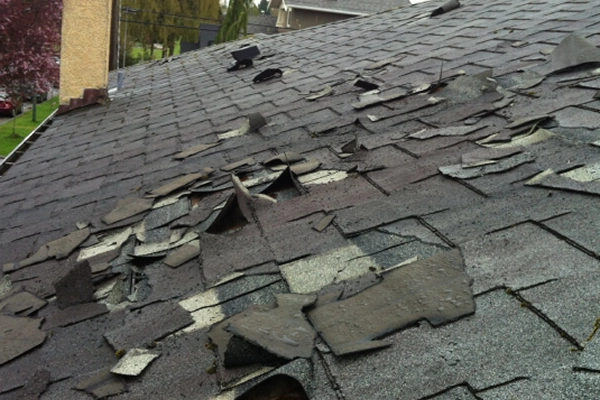
How do you know if your roof is crying out for help? Watch out for:
- Water stains on ceilings or walls
- Curled, cracked, or missing shingles
- Sagging areas on your roof
- Daylight peeking through your attic
- Higher energy bills than usual
If you spot any of these, it’s time to call a roofer before things escalate.
4. Roof Repair vs. Roof Replacement
This is the age-old homeowner question: Should I patch it up or start fresh?
- Roof repair works when the problem is minor—like a few missing shingles or a small leak.
- Roof replacement is necessary when your roof is near the end of its life (typically 20–30 years) or when damage is widespread.
Think of it like a car: sometimes you just need new tires, but other times it’s more cost-effective to trade in the whole vehicle.
5. Popular Roofing Materials in Long Island
Choosing the right material is key for roofing Long Island NY homes. Popular options include:
- Asphalt shingles – Affordable, durable, and come in many styles.
- Metal roofing – Long-lasting and energy-efficient.
- Cedar shake – Natural and beautiful, perfect for coastal charm.
- Flat roofing (EPDM, TPO, PVC) – Common for commercial buildings.
Each material has pros and cons, but asphalt remains the go-to for most homeowners.
6. The Cost of Roofing in Long Island NY
So, how much will it set you back? Costs depend on roof size, materials, and labor. On average:
- Roof repair: $300–$1,500
- Partial replacement: $3,000–$7,000
- Full roof replacement: $8,000–$15,000+
Pro tip: Always get at least 3 quotes. Prices can vary widely depending on the contractor.
7. How to Choose the Right Roofing Contractor
Your contractor can make or break your project. Look for:
- Local experience – Long Island roofs face unique challenges.
- Proper licenses and insurance – Protect yourself from liability.
- References and reviews – What are other homeowners saying?
- Detailed estimates – Avoid vague pricing.
ProHome Construction Inc is a trusted roofing company in Long Island, NY, known for quality workmanship and reliable service. Get a FREE QUOTE today! Call (631) 500-5085 or 📩 info@prohomeroofer.com.
Remember: the cheapest option isn’t always the best. Would you choose the cheapest surgeon for heart surgery? Probably not.
8. Understanding Roofing Warranties
Roof warranties can be tricky. There are usually two:
- Manufacturer warranty – Covers defects in materials.
- Workmanship warranty – Covers errors during installation.
Always read the fine print. Some warranties require regular maintenance to stay valid.
9. Seasonal Roofing Challenges on Long Island
Each season brings its own headaches:
- Winter – Ice dams and heavy snow loads.
- Spring – Rainstorms reveal hidden leaks.
- Summer – Intense UV rays wear down shingles.
- Fall – Leaves clog gutters, leading to water buildup.
Stay ahead by scheduling seasonal inspections.
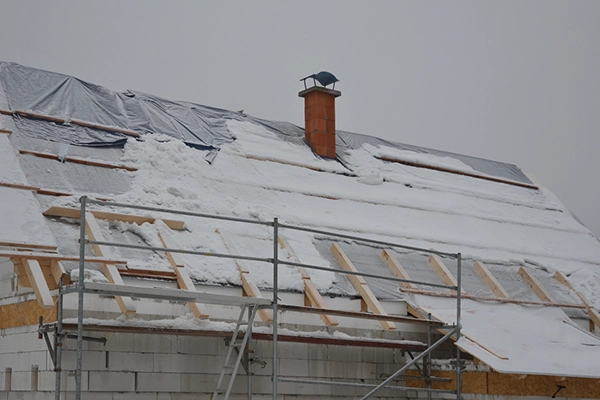
10. Energy-Efficient Roofing Options
Want to save money on energy bills? Consider:
- Cool roofing shingles – Reflect sunlight, reducing heat absorption.
- Metal roofing – Naturally reflects heat.
- Proper insulation and ventilation – Often overlooked but crucial.
It’s like putting sunglasses on your house—it keeps things cooler and more comfortable.
11. DIY vs. Professional Roofing: What’s Better?
We get it—YouTube makes DIY roofing look easy. But one wrong step, and you could fall or cause expensive damage.
- DIY pros: Save money upfront, small repairs only.
- DIY cons: Safety risks, no warranty, potential for costly mistakes.
- Professional pros: Expertise, proper equipment, warranties.
Unless you’re fixing a loose shingle, leave the roofing jobs to the pros.
12. Preparing for a Roofing Project
Getting a new roof isn’t just about signing a contract. Prepare by:
- Clearing your driveway for dumpsters and materials.
- Covering valuables in the attic (dust will fall).
- Informing neighbors—it can get noisy.
- Asking about project timelines.
Preparation makes the process smoother and less stressful.
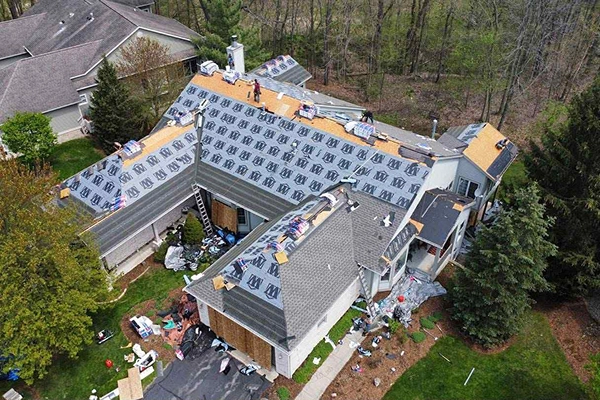
13. Roof Maintenance Tips for Longevity
Want your roof to last? Follow these tips:
- Inspect twice a year (spring and fall).
- Clean your gutters regularly.
- Trim overhanging trees.
- Check attic ventilation.
- Fix small problems quickly.
A little care now saves thousands later.
14. Questions to Ask Before Hiring a Roofer
Before you sign on the dotted line, ask:
- Are you licensed and insured in NY?
- Can you provide references?
- What warranties do you offer?
- Who will be supervising the project?
- What’s included in the estimate?
These questions separate trustworthy pros from fly-by-night contractors.
15. Conclusion + Final Thoughts
Your roof isn’t just part of your house—it’s peace of mind. Whether you’re repairing, replacing, or maintaining, investing in roofing Long Island NY is an investment in safety, comfort, and value. Don’t wait until you’re placing buckets under leaks—be proactive, stay informed, and protect your home the smart way.
ProHome Construction Inc – Your Trusted Roofing Company in Long Island, NY. GET A FREE QUOTE! (631) 500-5085 or 📩 info@prohomeroofer.com
FAQs About Roofing Long Island NY
1. How long does a roof last in Long Island NY?
Most roofs last 20–30 years, depending on the material and maintenance.
2. What’s the best roofing material for Long Island homes?
Asphalt shingles are the most popular, but metal and cedar are also great options.
3. How often should I inspect my roof?
At least twice a year—spring and fall—or after major storms.
4. Does homeowners insurance cover roof damage?
Yes, if the damage is from a covered event like storms, but not general wear and tear.
5. How do I know if I need a new roof?
Signs include frequent leaks, missing shingles, sagging, and if your roof is over 20 years old.